Introduction
Lighting control represents one of the most underappreciated aspects of home comfort, influencing everything from sleep quality to daytime productivity and overall well-being. While many homeowners invest considerable attention in decorative elements—paint colors, furniture arrangements, artwork—the practical management of external light often receives less consideration despite its profound impact on daily life.
Blackout curtains have moved from being specialized medical equipment or theater backstage necessities to becoming mainstream home furnishings that address genuine quality-of-life concerns. The reasons are straightforward: controlling light penetration improves sleep quality for those working night shifts, helps children maintain consistent sleep schedules, protects furniture and flooring from UV damage, and provides privacy without sacrificing window access.
The NICETOWN blackout curtain collection represents a specific approach to this challenge, combining functional light-blocking capability with thermal insulation and aesthetic considerations. Understanding what these curtains actually deliver beyond marketing claims requires examining construction, materials, practical installation scenarios, and the specific situations where they prove genuinely valuable.
Understanding Blackout Curtain Technology
Construction and Material Composition
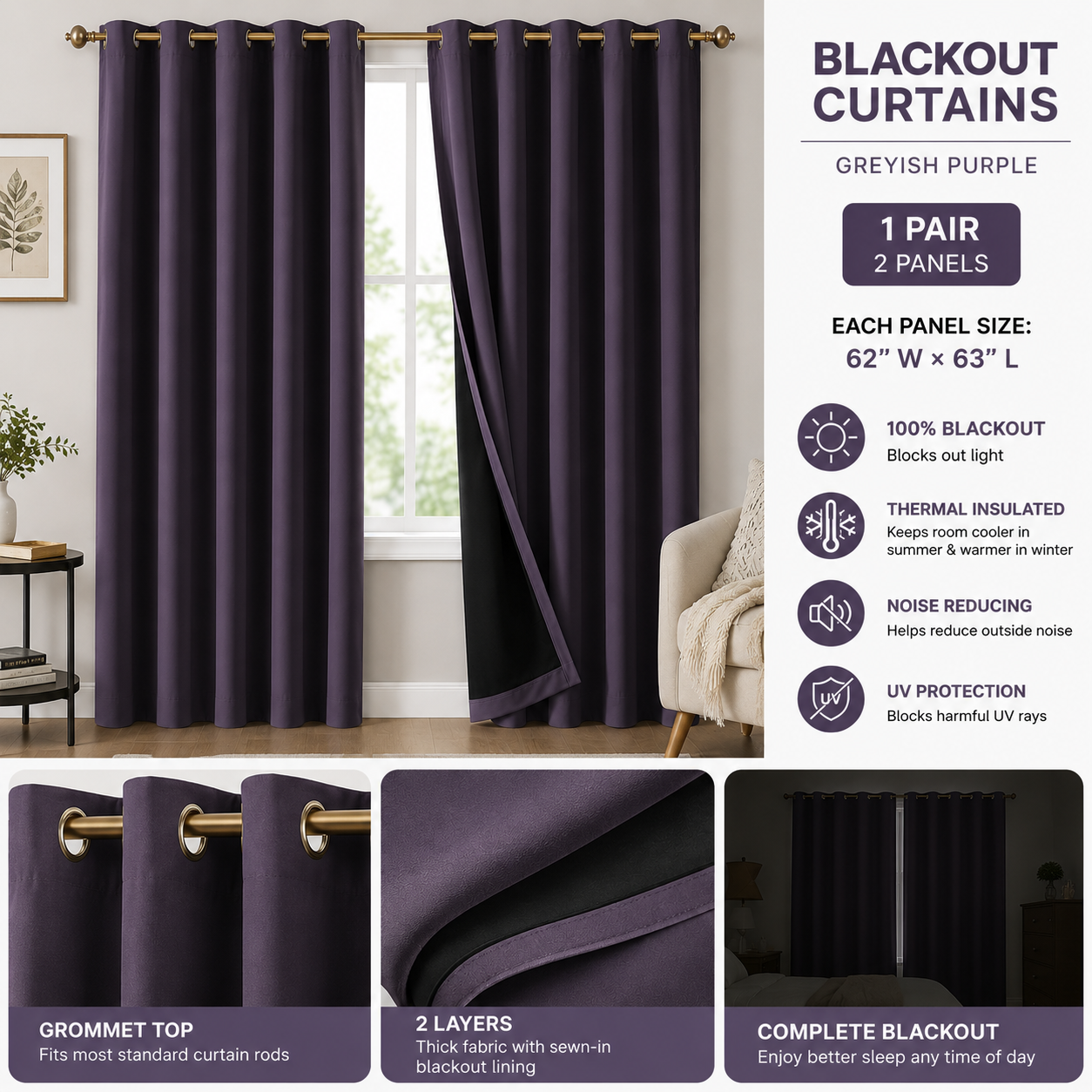
The term “100% blackout” has become somewhat loosely applied in the curtain market, so understanding actual construction matters. NICETOWN’s approach utilizes multiple layers—specifically, two thick layers as their specification indicates. The front visible layer typically consists of conventional woven fabric, while a backing layer provides the actual light-blocking capability.
This layered construction is fundamentally different from attempting to create light-blocking from a single, heavy fabric layer. The dual-layer approach allows manufacturers to maintain reasonable fabric weight and flexibility while achieving substantial light blockage. A single heavy fabric layer would provide blocking but would feel thick, hang poorly, and be difficult to open and close regularly.
The specific material composition affects both the light-blocking capability and the overall feel of the curtains. Most effective blackout curtains use a polyester-based backing specifically formulated to be opaque to visible light. This backing, when properly applied to a conventional woven front layer, creates the dual-functionality of aesthetic appearance combined with functional light control.
Light Reduction Specifications
Understanding what “100% blackout” actually means contextually matters significantly. The claim refers to visible light blockage—essentially, the percentage of light that cannot penetrate through the fabric. One hundred percent technically means no measurable visible light passes through, though in practice, some minimal light may leak around edges or through small weave gaps.
The greyish-purple color specification influences light transmission characteristics in subtle ways. Darker colors naturally block more light than lighter shades, while specific color wavelengths interact with fabric composition. The particular purple tone described likely provides excellent light-blocking while offering more aesthetic versatility than pure black alternatives.
Thermal Insulation Properties
The double-layer construction provides thermal benefits beyond light blocking. Air trapped between layers acts as insulation, reducing heat transfer through windows—a significant energy efficiency factor. During winter, this reduces heat loss through glass surfaces. During summer, it provides some protection against heat gain from solar radiation.
The degree of thermal benefit depends on multiple factors: how well the curtains seal around window edges (preventing airflow), the thickness of the material, and the size of air gaps between layers. Properly hung curtains that seal most edge gaps provide noticeably better thermal performance than curtains that don’t extend beyond window frames or leave substantial gaps.
Key Features and Practical Specifications
Sizing and Coverage
The specified dimensions—62 inches width by 63 inches length per panel—represent a standard size suitable for most residential windows. However, window configuration and desired coverage require specific consideration. Most windows benefit from curtains slightly wider than the window itself, providing overlapping coverage that reduces light leakage around edges.
The 63-inch length provides full coverage for standard eight-foot ceiling installations with appropriate mounting height. Taller ceilings or specific aesthetic preferences (curtains pooling on the floor, for instance) would require different sizing.
Understanding your specific window dimensions before purchasing prevents the frustration of ordering curtains that don’t provide adequate coverage. Measuring twice—once at the window and again within a couple days to confirm—ensures accuracy.
Layering and Weight
The “2 Thick Layers Completely Blackout” specification indicates substantial construction without specifying exact thickness or weight. This typically means a heavier curtain than standard lightweight options. Weight matters practically—heavier curtains hang more elegantly, provide better drape, and resist movement from air currents, but they also require adequate curtain rods and hardware capable of supporting the additional load.
Standard residential curtain rods often support 20-30 pounds per rod. Measuring the approximate weight of your curtain panels before installation ensures your existing hardware can handle the load. Many installations require upgrading to heavy-duty rods or additional support brackets.
Greyish-Purple Color Considerations
The specific color represents an interesting middle ground between pure black and lighter neutrals. This shade typically complements contemporary and transitional design aesthetics well, offering visual interest without the starkness of complete black. Against light-colored walls, this tone provides definition, while against darker walls it can provide subtle contrast.
The color choice influences how the curtains appear when open. Black curtains, even when fully opened and pushed to the side, remain visually prominent. Greyish-purple tones recede more visually, making them less obtrusive when not closed, which appeals to those who prioritize maintaining visual openness in rooms.
Thermal Insulation Properties
While not insulation in the traditional sense (no R-value rating applies), the thermal properties measurably reduce heat transfer. Professional testing of blackout curtains typically demonstrates 15-30% reduction in heat transfer compared to no window treatment, depending on how well they seal around window edges.
This thermal benefit accumulates across a home’s windows, producing measurable effects on heating and cooling costs over seasons. The actual savings depend on climate, window quality, overall insulation, and curtain installation quality.
Practical Applications and Use Scenarios
Sleep Quality and Sleep Environment Optimization
The most common application for blackout curtains involves optimizing bedroom environments for sleep. Light—particularly morning light or external light sources—disrupts sleep quality for many people, even subconsciously. Complete darkness provides measurably better sleep conditions for most individuals.
This benefit extends beyond comfort. Night-shift workers maintaining daytime sleep schedules find these curtains essentially mandatory for achieving adequate sleep. The ability to maintain complete darkness regardless of external light conditions enables their sleep cycles.
Parents of young children appreciate the ability to maintain darkened rooms during nap times and early bedtimes, particularly during summer months when daylight extends into evening hours. Children generally sleep better in darker environments, and blackout curtains make maintaining appropriate sleep environments practical.
Privacy Enhancement
Complete darkness makes seeing into rooms from outside significantly more difficult. While not absolute privacy (determined light sources within rooms can still create silhouettes), the darkness provides practical privacy enhancement without requiring expensive window treatments or frosted glass modifications.
This benefit matters for ground-floor bedrooms or windows visible from nearby properties. The psychological benefit of known privacy often improves sense of security and comfort.
Sun Damage Prevention
Ultraviolet light degrades colors and materials over time. Furniture fabrics, artwork, and flooring experience measurable fading from extended sun exposure. Blackout curtains essentially eliminate this exposure, particularly when kept closed during peak sun hours.
For homes with valuable or irreplaceable furnishings, or those containing artwork or antiques vulnerable to light damage, this protective function provides genuine value beyond lifestyle considerations.
Temperature Regulation Assistance
During summer months, keeping blackout curtains closed during peak heat hours reduces solar heat gain substantially. Combined with appropriate ventilation, this passive solar management reduces cooling demands and associated energy consumption.
Winter applications are more complex. Closed curtains during winter nights provide insulation, but opening them during sunny winter days can provide passive solar heating. Balancing these competing goals requires active curtain management but can contribute to overall thermal efficiency.
Energy Efficiency and Cost Reduction
The cumulative thermal and light-blocking benefits contribute to home energy efficiency. HVAC systems operate less intensively when windows are well-managed, reducing monthly utility costs. While individual window treatments produce modest savings, homes with comprehensive treatment typically see measurable cost reductions.
Noise Reduction
While not specifically marketed as acoustic treatment, heavy curtain materials absorb some sound energy. This provides modest noise reduction—not soundproofing, but measurable improvement in ambient noise levels. Rooms with significant external noise benefit from this secondary benefit.
Who These Curtains Are Suitable For
Night Shift Workers and Non-Traditional Sleep Schedules
Anyone maintaining sleep schedules contrary to local daylight cycles benefits from complete darkness control. Police officers, nurses, overnight factory workers, and others with non-traditional schedules often find blackout curtains essential.
Parents of Young Children
Children’s sleep quality improves with appropriate light control. Parents managing bedtimes during summer months particularly appreciate the ability to maintain darkness regardless of external conditions. The extended daylight of summer months becomes less disruptive.
Shift Workers and Jet-Lagged Travelers
Maintaining circadian rhythm management during irregular schedules requires external light control. The ability to maintain appropriate darkness supports better sleep quality despite schedule disruptions.
Light-Sensitive Individuals
Some people experience light sensitivity due to health conditions, medications, or neurological factors. Complete control over ambient light becomes practically important rather than optional for comfort.
Those in High-Light Environments
Urban apartments with constant external lighting, streetlights visible through windows, or nearby commercial light sources benefit from complete light control. Urban living often means managing light pollution not present in quieter areas.
Those Prioritizing Energy Efficiency
Homeowners focused on reducing energy consumption benefit from window treatments that actively contribute to thermal management. The investment in quality blackout curtains often returns through reduced utility costs.
Art and Antique Owners
Anyone preserving valuable furnishings, artwork, or antiques vulnerable to UV damage benefits from UV-blocking window treatments. The preservation value can far exceed curtain cost.
Installation and Practical Considerations
Mounting Hardware Requirements
Blackout curtains’ weight demands appropriate hardware. Standard lightweight rods, often included with conventional curtains, typically cannot support blackout curtain weight reliably. Heavy-duty rods, often rated for 40+ pounds per panel, are usually necessary.
The specific hardware depends on window configuration and personal preference. Standard traverse rods, motorized rods, decorative rods, and tension systems all function with blackout curtains if properly rated for weight. Assessing existing hardware before installation prevents installation complications.
Installation Height and Width Considerations
Light leakage occurs primarily at edges and above windows where curtains don’t reach. Installing curtains higher than the window frame and wider than the frame itself substantially improves light-blocking effectiveness. The installation should extend several inches above the window frame and several inches beyond the frame sides.
This positioning creates the small gaps that appear when curtains are fully closed, eliminating or minimizing light penetration around edges.
Operational Considerations
Heavy curtains require more force to open and close than lightweight alternatives. Some people find this problematic; others appreciate the deliberate operation. Motorized curtain systems can address this if manual operation becomes burdensome.
The weight also means curtains don’t shift easily from air movement. Fans or air conditioning units that would cause lighter curtains to move don’t significantly affect blackout curtains—an advantage for those sensitive to drafts or movement.
Cleaning and Maintenance
Dust accumulates on curtain surfaces, particularly in high-traffic environments. Periodic vacuuming with an upholstery attachment removes most surface dust without requiring full washing. Professional dry cleaning periodically maintains appearance and hygiene.
The specific cleaning recommendations depend on fabric content. Most synthetic-based blackout curtains resist shrinking and tolerate gentle machine washing, though professional cleaning often maintains appearance more effectively than home laundering.
Light Leakage Management
Even perfectly installed blackout curtains allow minimal light leakage around edges if precise sealing isn’t maintained. Additional products—edge seals, light-blocking tape, or side panels—can address persistent light leakage in bedrooms where absolute darkness is important.
The motivation for additional measures depends on individual sensitivity. What seems insignificant light to one person might disrupt sleep for another.
Comparison to Alternative Light-Control Solutions
Blackout Curtains Versus Roller Shades
Roller shades provide compact light control that doesn’t require rod support or substantial space when deployed. However, they typically provide less thermal insulation than heavyweight curtains and allow light penetration around edges more readily. Combining roller shades with lightweight curtains often provides better results than either alone.
Blackout Curtains Versus Plantation Shutters
Shutters offer aesthetic appeal and durable long-term light control. However, they represent significantly higher investment, require professional installation, and can’t be easily changed if design preferences shift. For renters or those seeking flexibility, curtains provide more practical solutions.
Blackout Curtains Versus Window Film
Adhesive or static window films provide permanent light control and privacy. They’re difficult to remove or change, require careful installation, and potentially damage windows if applied incorrectly. Curtains’ removability and flexibility make them preferable for most applications.
Layered Approaches
Many designers recommend combining blackout curtains with additional layers—sheer curtains for daytime privacy without complete darkness, blackout curtains for nighttime light control, and thermal layers for insulation. This layered approach provides maximum flexibility.
Frequently Asked Questions
Do blackout curtains actually eliminate 100% of light?
Complete elimination doesn’t technically occur. Minimal light penetrates through fabric weave gaps and leaks around edges. Practically, however, properly installed blackout curtains create sufficient darkness for most sleep and light-sensitive applications. Minor light leakage doesn’t significantly disrupt most users.
Will blackout curtains make rooms feel dark and depressing during the day?
If used exclusively during daylight hours, they would. Most users employ them primarily during sleep hours, maintaining normal daytime lighting through conventional approaches. Some find the psychological benefit of controlled darkness outweighs aesthetic considerations.
How do blackout curtains handle moisture in humid climates?
Quality synthetic-based blackout curtains resist mildew and moisture accumulation. Proper ventilation and avoiding excessive moisture retention prevents issues. In extremely humid climates, periodic airing and inspection maintain hygiene.
Can blackout curtains work with existing decorative curtains?
Absolutely. Layering blackout curtains behind decorative options maintains aesthetic appeal while providing functional benefits. Many installations use lightweight decorative curtains as outer layers and blackout panels behind them.
Do blackout curtains require professional installation?
Installation is straightforward for those comfortable with basic hardware installation. Ensuring proper weight support and appropriate positioning is more important than professional expertise. Most handy homeowners complete installation successfully.
How long do blackout curtains typically last?
Quality blackout curtains last 5-10 years with appropriate care. Regular vacuuming, avoiding excessive direct sunlight exposure (paradoxically), and gentle handling extend lifespan. Eventually, backing materials may degrade, reducing light-blocking effectiveness.
Will these curtains fit my specific windows?
The 62×63 dimensions fit standard windows well. Non-standard windows may require custom sizing or creative installation approaches. Measuring your windows carefully before purchasing prevents disappointment.
How much do blackout curtains actually reduce energy costs?
The reduction varies based on climate, window quality, and overall home insulation. Typical savings range from $10-30 monthly in moderate climates where heating and cooling demands are significant. Cumulative annual savings often justify the investment.
Conclusion
NICETOWN’s blackout curtains address genuine home comfort and practical needs that extend far beyond simple window coverings. The dual-layer construction providing both light-blocking and thermal insulation demonstrates thoughtful product design addressing real-world requirements.
The greyish-purple color offers aesthetic versatility often missing in pure-black alternatives, integrating into contemporary designs while maintaining functionality. For those prioritizing sleep quality, managing non-traditional schedules, protecting valuable furnishings, or improving energy efficiency, these curtains deliver meaningful benefits.
Proper installation—ensuring appropriate hardware, positioning, and edge sealing—determines real-world performance. The initial investment in quality hardware often exceeds curtain cost but ensures reliable long-term functionality.
These curtains function most effectively as part of comprehensive approaches to home comfort and environmental control rather than standalone solutions. Combined with appropriate HVAC management and other thermal considerations, they contribute measurably to overall home performance.
View on Amazon here.